

The holiday of Sukkot presents us with an ancient yet fascinating paradox: the commandment to leave our secure, sturdy homes for a fragile and temporary dwelling, while simultaneously being required to transform that flimsy structure into a magnificent “permanent residence” for seven days. This is the ultimate challenge of design and spirit—taking simple planks, fabric, and greenery (Schach), and infusing them with soul, majesty, and splendor.
Perfect hosting in the Sukkah is not just about serving delicious food; it is an active process of creating a reality. You are not merely “sitting” in a Sukkah; you are building a miniature palace under the open sky. In this article, we break down the formula to transform your Sukkah into a place where your guests (Ushpizin), family, and friends will experience both physical comfort and spiritual elevation.
The Transformation: From Temporary Dwelling to a Mini-Sanctuary
To achieve perfect hospitality, you must shift your perspective: the Sukkah is not a “temporary fix,” but rather an opportunity to demonstrate order and beauty even in the outdoors. Your mission is to blur the boundaries between the exterior and interior.
Building Foundations of Luxury
Do not settle for the minimum. Turn the Sukkah walls into a canvas of creation:
- Drape Rich Fabrics: Use well-stretched satin or velvet fabrics to conceal the wooden beams, granting the space the feel of a royal chamber.
- Define the Floor: Do not let guests walk on bare sand or grass. Lay down Persian rugs or high-quality mats that define the seating area and warm the atmosphere.
- The Proof of Success: When a guest enters the Sukkah and forgets they are outdoors—you have won. The feeling of detachment from the mundane and the connection to sanctity is the true measure of winning hospitality.
Table Architecture: The Main Stage
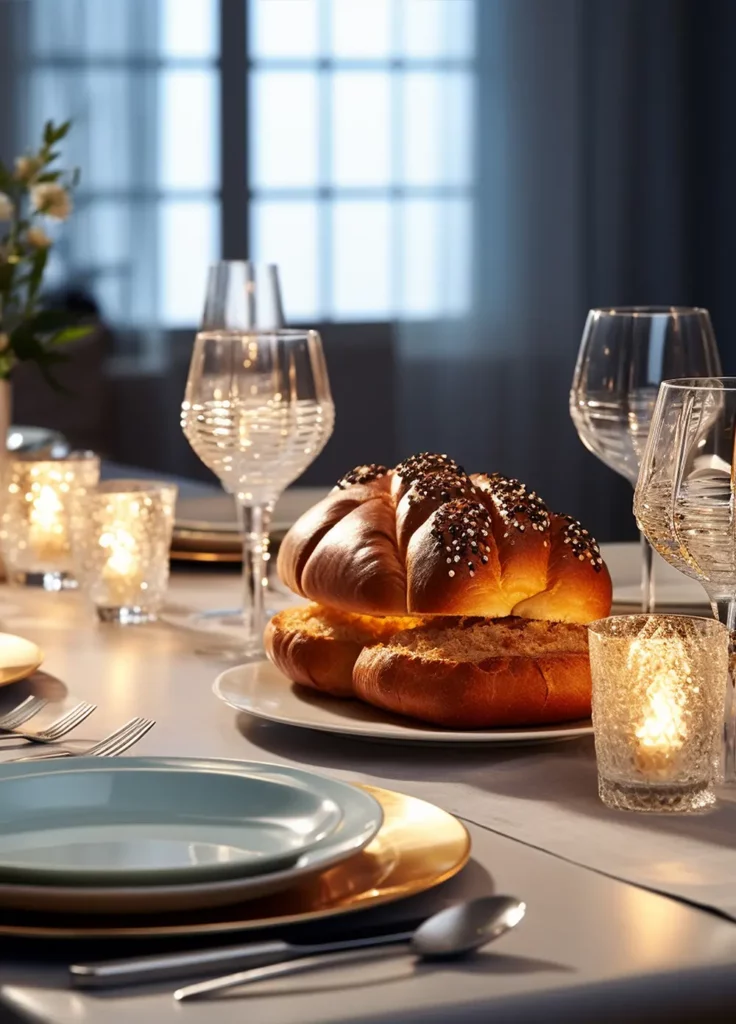
The Sukkah table is the modern altar. It is the center of the magic, where every guest’s gaze is focused. Setting a table that creates perfect hosting requires strategic planning and meticulous layering.
Layer One: The Base
Choose a high-quality, thick, and perfectly ironed tablecloth. Opt for light shades—cream, pure white, or pearl. These colors are not only classic; they act as natural reflectors, brightening the Sukkah and providing a clean stage for the items atop them.
Layer Two: Texture and Color
Break the white with luxury runners made of jacquard or silk, featuring delicate gold or silver embroidery. This is the time to integrate high-end cloth napkins, metallic napkin rings, and rigid placemats that create a personal frame for each diner.
Hiddur Mitzvah: The Meir Israel Signature of Quality
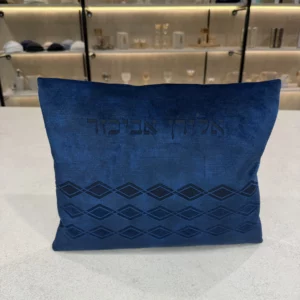
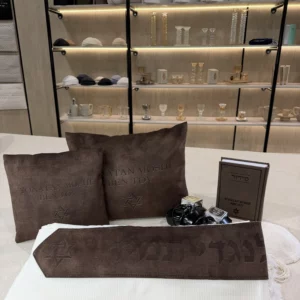
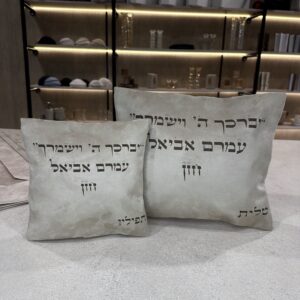
This is where you elevate the experience. Perfect hosting is measured in the small details and the honor you show to the Mitzvah. Integrating Meir Israel Judaica is a statement: we are not just eating; we are sanctifying the moment.
Placing Sanctity at the Center
Do not scatter your silverware; create a visual “power center” in the middle of the table:
- The Kiddush Cup as a Crown: Place a sterling silver Kiddush cup, gleaming and polished, on a matching coaster. The brilliance of the silver catches the eye and radiates ancient majesty.
- The Challah Tray as a Foundation: Choose a designer Challah tray (wood-and-silver or crystal) and pair it with a richly embroidered Challah cover. This is the beating heart of the meal.
- Candlesticks and Candelabras: Even if you light candles inside the home, place silver candlesticks on the Sukkah table to add height and a dramatic dimension to the setting.
The Design Challenge: Blend magnificent silverware with raw, natural elements. Place the Arba’at HaMinim (Four Species), fresh pomegranates, or olive branches near the silver. The contrast between the cold, polished metal and the organic warmth of nature creates an unparalleled visual harmony.
Lighting and Atmosphere: Painting with Light
Unlike the home, the Sukkah lacks white walls to reflect light; instead, light often escapes through the Schach. Therefore, perfect hosting requires you to become a lighting engineer.
- Focused Lighting: Install spotlights or hanging fixtures directed at the center of the table. This light will “strike” the Meir Israel silver, causing it to sparkle and reflect light back onto the guests’ faces.
- Warm Ambient Light: Use warm yellow string lights (Garlandas) around the perimeter to create a sense of intimacy and security.
- Durability: Ensure all lighting fixtures are wind and moisture-resistant. Nothing dampens the experience more than a technical failure in the middle of Kiddush.
The User Experience: Curating the Event
You are not just a designer; you are a producer. Perfect hosting means thinking about your guests’ comfort in unconventional conditions.
Logistics of Splendor
- Climate Control: Prepare soft throws or blankets in colors that match the Sukkah’s design, folded neatly on each chair or in a designer basket. Ensure heating or ventilation solutions are ready depending on the weather.
- Acoustics and Music: If possible, play soft, subtle background music to set the holiday mood before the guests even sit down.
- Flow: Plan the courses so you don’t have to run back and forth constantly. Use a designer service cart in the corner of the Sukkah to hold extra drinks and utensils.
Conclusion: A Legacy of Beauty
When you invest your utmost effort in the design of the Sukkah, the selection of Meir Israel’s magnificent Judaica, and the meticulous planning of lighting and atmosphere—you are doing much more than hosting. You are etching a sweet memory of sanctity into the hearts of your children and guests.
Perfect hospitality in the Sukkah is the moment the temporary becomes eternal. It is the moment the Sukkah, despite its structural simplicity, becomes the most magnificent place on earth—a place where the Shekhinah (Divine Presence) dwells and the heart expands. Take the reins, invest in the details, and turn this Sukkot into a masterpiece.